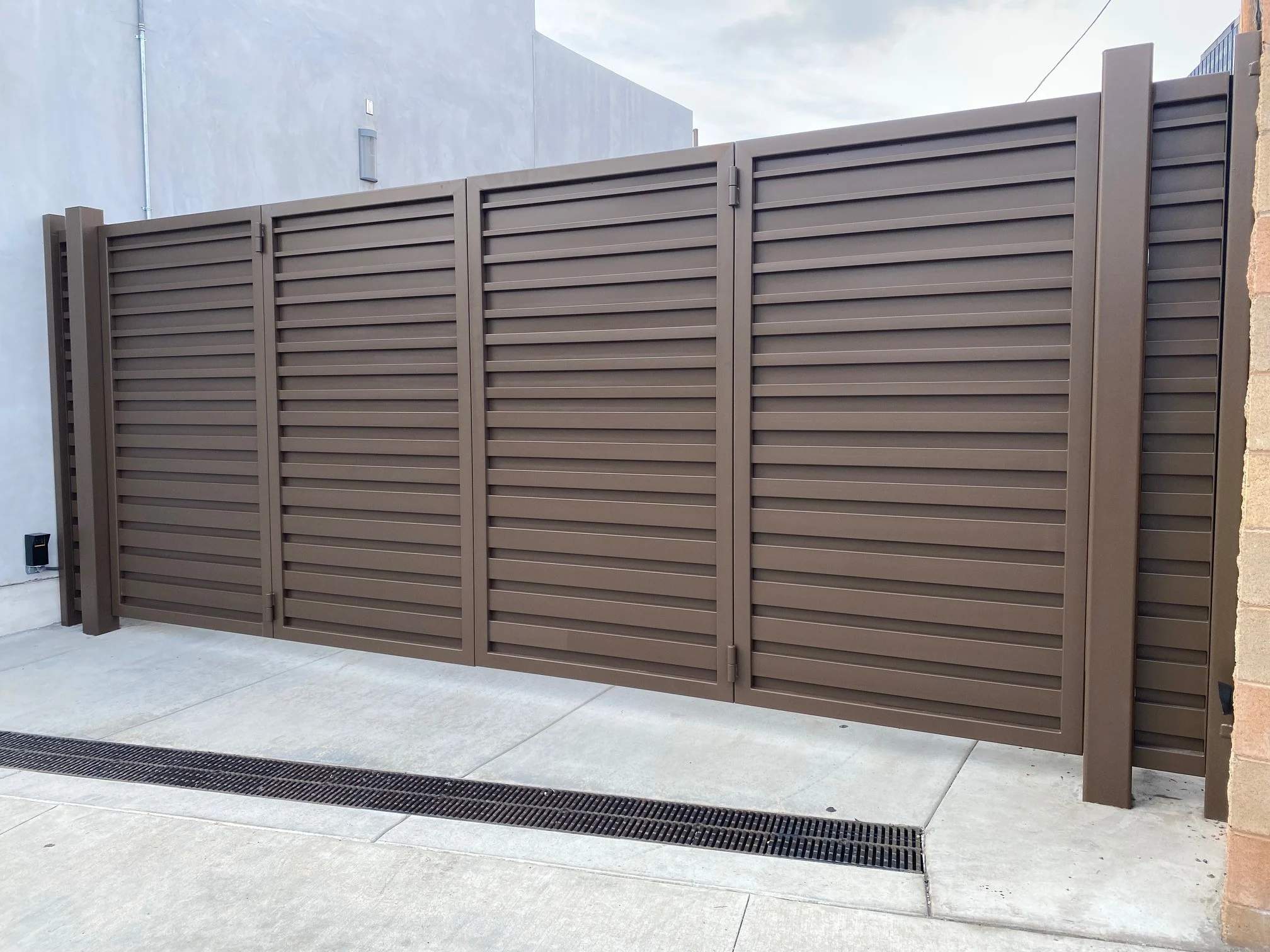
A commercial door takes two kinds of punishment: impact and wear. A truck or forklift that clips a rolling door can bend the bottom bar, kink slats, or push a guide out of line, and the curtain then binds or rides out of its guides. The springs inside the barrel wear with every cycle until they lose tension or break. On sectional doors, the damage lands on panels, cables, and rollers. An operator forced to fight a damaged or heavy door can trip, stall, or wear out early, so the door gets checked before the motor does.
Method inspects the curtain or panels, the guides or tracks, the bottom bar, the counterbalance, and the operator, then writes up the repair before any work starts. Spring tension on a rolling door is set at the barrel above the opening, under heavy load, so adjusting or replacing those springs is technician-only work and not a job for site maintenance staff. When the same door keeps failing, we look at whether its springs or operator are rated for the traffic it now carries, since a building's use can change long after a door goes in.
A damaged commercial door is hard to price over the phone, because a few bent slats and a curtain that needs replacing can look the same in a photo. After the assessment you get a written repair scope, with parts and lead times noted, for whoever approves the work. The phone is answered 24/7, with dispatch at any hour for doors that are stuck or damaged. Call with the address, the door type, what it is doing, whether it is stuck open or closed, and who can approve repairs and arrange access.