
iris V
6 years ago
“We had gates installed by Method. They did such a great job. They gave us the best customer service and really tried to please us all the way. The job was well done at a reasonable price. I highly recommend this company.”
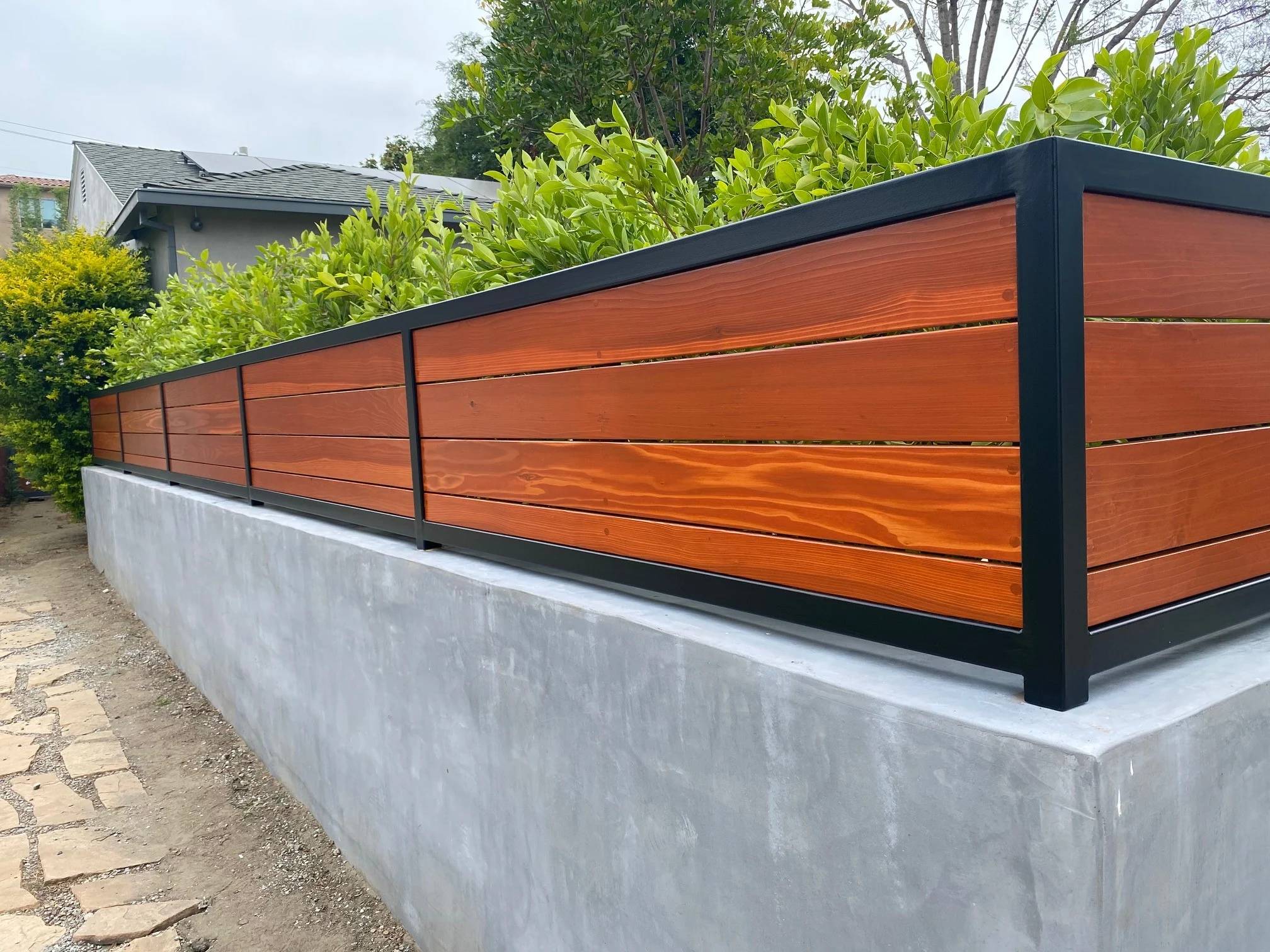
Residential Fencing
Iron, steel, and wood fencing for your home, with matching gates and a layout shaped by the property.
Plan the work with Method Gates
Tell us about your gate. We'll call to schedule a visit.
No obligation. It takes about a minute, then we call to schedule. Prefer to talk? (818) 782-6180
Residential Fencing
A residential fence has three jobs: mark the edge of the property, give you the privacy or the openness you want, and stay straight. The third is the one that shows after a few winters, because a fence is only as straight as its posts, and on a sloping lot every post sits at a different height.
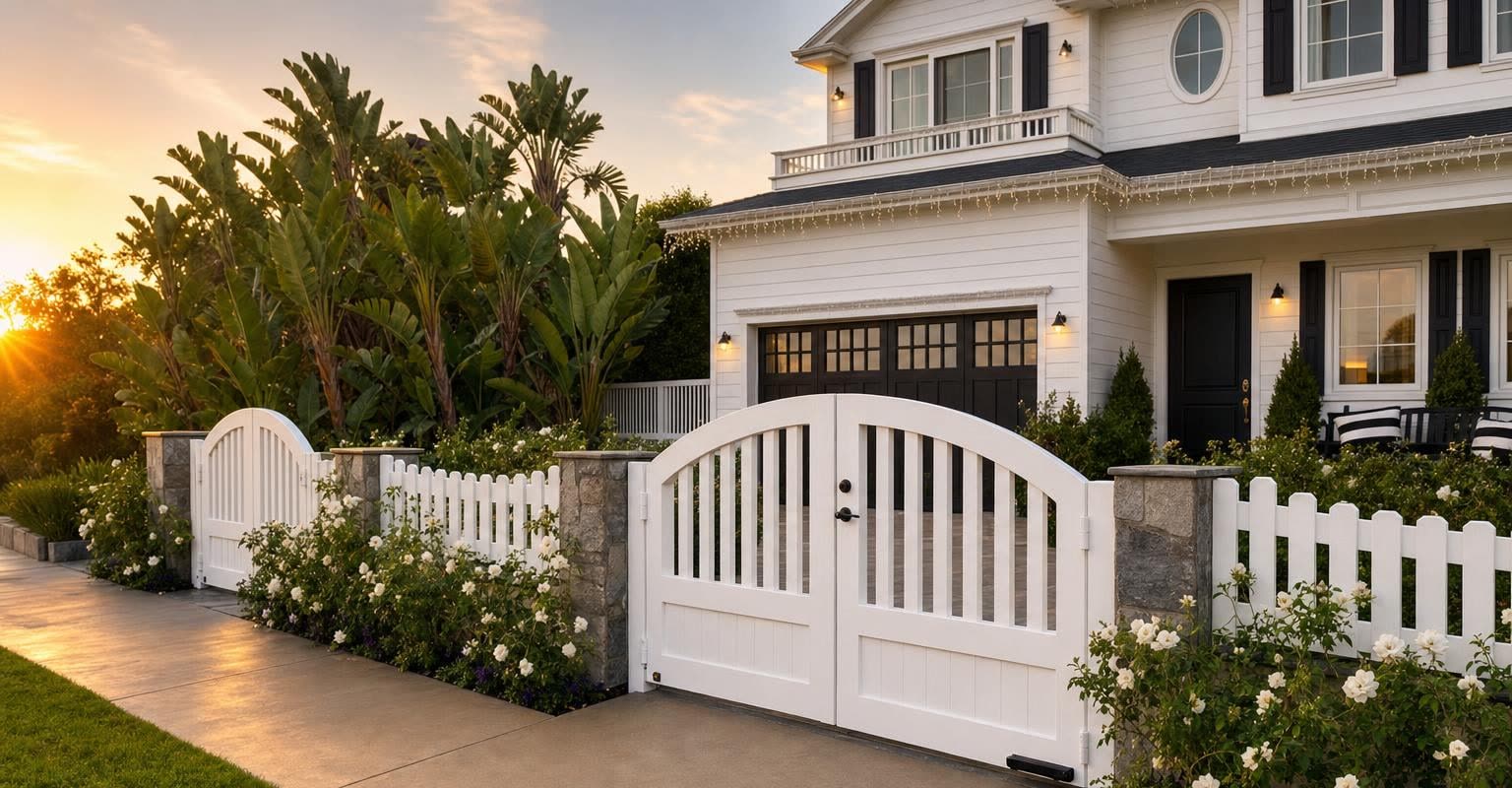
We plan the run together with its gates. Fence, driveway gate and walk gate are drawn as one piece of work, so their height, picket or slat spacing and finish line up from the street to the side yard instead of meeting at a seam.
Steel and iron panels are built to our drawing as welded sections, from plain pickets to ornamental and security infill. Wood privacy fences go up on steel posts, so the part of the fence that sits in the soil is steel rather than wood.
Designs & details
Project photographs alongside labeled design renderings. Select an image for a closer look.
What we build
These are the six kinds of residential fence we build. The type decides the look and the privacy. The height comes from the rules for each yard, in the next section.
| Fence type | Look and privacy | Upkeep | Good to know |
|---|---|---|---|
| Iron or steel picket | Vertical pickets, plain or with finials, rings and scrolls. Open, so the house stays in view. | Keep the coating whole and touch up chips while they are small. | Repeats an iron driveway gate picket for picket; see custom wrought iron gates. Near the ocean, read the coastal rust guide. |
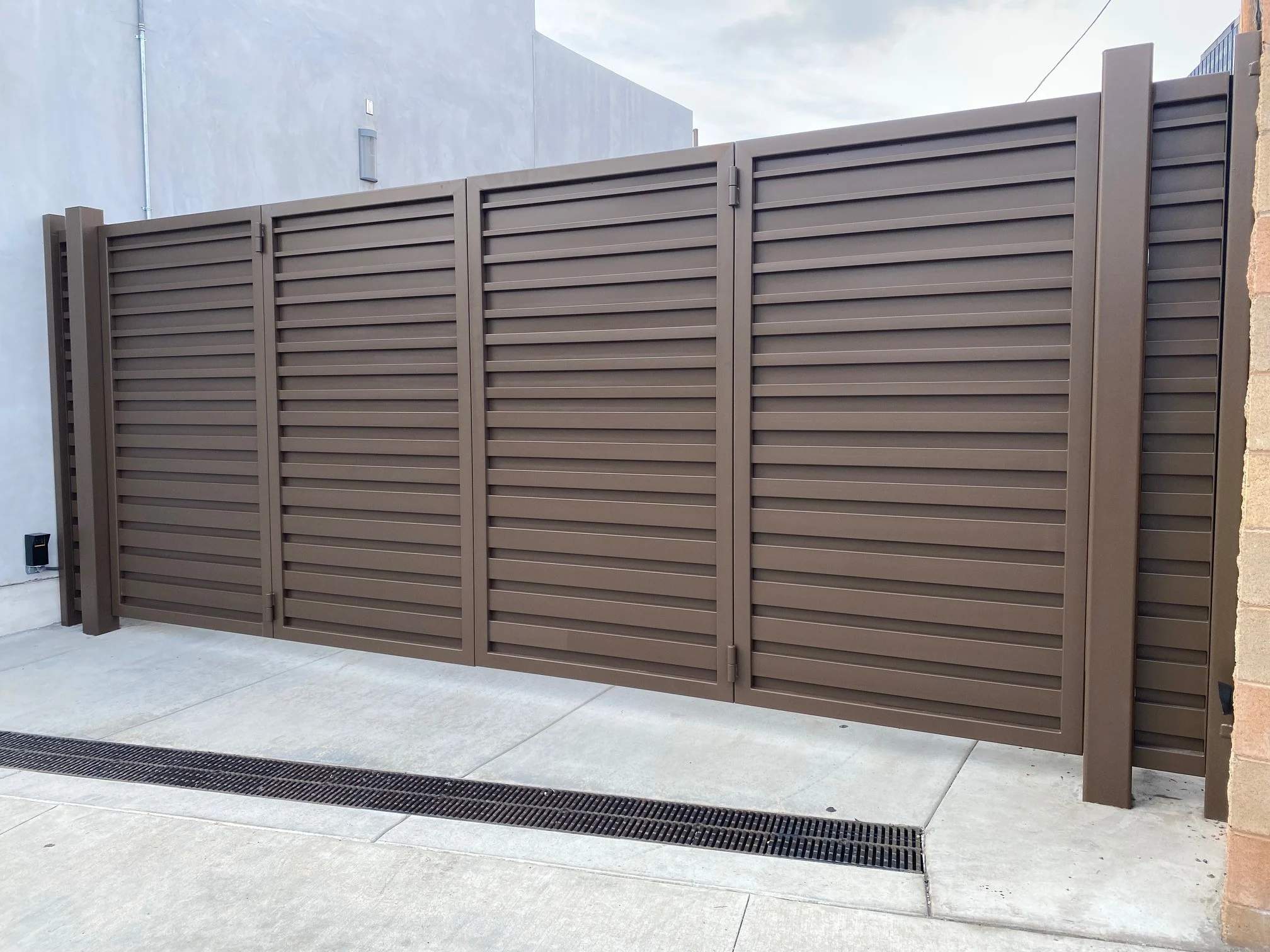
| Horizontal slat | Steel or wood slats, evenly spaced. Closing up the gap adds privacy. | Steel slats need their coating kept intact; wood slats need refinishing as they weather. | On a slope the panels step down rather than tilt, so the slats stay level. |
| Wood privacy on steel posts | Cedar or redwood boards, set vertically or horizontally. Full privacy. | The boards need refinishing over the years; the posts are steel, so the soil only ever touches steel. | Pairs with custom wood gates built the same way, wood over steel. |
| Security and anti-climb | Close-set pickets with nothing to stand on from outside, or welded mesh infill. Some privacy, little to grip. | As for a steel picket fence. | For side yards and perimeters where keeping people out matters more than the view; see security gates. |
| Pool-compliant | Open or solid infill built to the state's pool enclosure rules. | Self-closing hinges and latches have to keep doing their job. | California's definition of a pool enclosure calls for at least 60 inches of height, no more than 2 inches under it, gaps that stop a 4-inch sphere, and gates that swing outward from the pool and close and latch on their own. See the pool fence guide. |
| Hillside | Panels stepped or raked to follow the grade, in any of the infills above. | The same as the infill chosen. | LADBS measures height from the natural grade on a slope, and lots in a hillside area have a lower side and rear limit. |
Rules
Within the City of Los Angeles, residential (R) zones cap a front-yard fence at 3½ feet, and side and rear fences at 6 or 8 feet depending on the lot. Whether the fence also needs a building permit is a separate question that turns on its material and height. These are LADBS figures; outside the City of Los Angeles, your own city or the county sets the limits.
Who confirms the property line. Our measurements set out the fence; they are not a boundary survey. LADBS warns against taking the inside edge of the sidewalk as the property line, and under California law locating a property line is land surveying, which takes a licensed land surveyor. If the corner markers are missing or in doubt, have them set before the fence goes in.
If the fence is shared. For a fence on the line between two lots, California law presumes both owners are equally responsible for its reasonable cost. The owner planning the work has to give the neighbor 30 days' written notice that states that presumption and describes the problem, the plan, the estimated cost, the proposed split and the timeline.
The Los Angeles fence and gate permit guide sets the heights out as a table and explains where to look up an address in another city.
From LADBS Information Bulletin P/ZC 2023-002 and the LADBS fence FAQ, read October 22, 2026. LADBS gives these as the limits in most residential areas, so confirm the rule for your parcel.
Gates
Start from the gate, because it is the piece people look at. Its height, picket or slat spacing, top line and color set the pattern, and the fence repeats it along the frontage.
If the gate is already in place, its profile, spacing and color are measured, photographed and copied onto the fence drawing.
Honest pricing
Fence is priced by the run once it has been measured. The length in linear feet, the height, the material and infill, how many gates and of what kind, how the grade changes along the line and what the footings have to deal with all move the number, and the written estimate is based on the measured property and agreed scope. Our fence installation cost guide explains each one.
Free on-site estimate, with a written PDF quote within 1–2 business days. The quote is written and itemized for the proposed fence and installation.
Get Your Written EstimateThe proposal separates the work being recommended so you can review the scope before approving it.
What to expect
Length, corners, gate positions and every change in grade are measured, and roots, sprinklers, walls and anything else in the way are noted.
Heights for each yard are set against the rules for your address, and you confirm where the property line runs before anything is drawn.
The drawing shows heights, post spacing, infill and each gate. Steel is ordered and welded only after you approve it.
Panels and gates are welded to the drawing, and the post positions are set out on site along a string line.
Posts go in plumb, the concrete cures, and the panels and gates follow, with each gate adjusted to swing and latch. About 150 feet of fence usually takes 3–5 weeks from signed contract to finished job, and a large job 6–8 weeks.
Posts and footings
A fence stays straight as long as its posts stay plumb, and that comes down to three things: what the post is made of where it meets the soil, the footing around it, and where the water goes.
A fence that already leans needs its posts reset in new footings, not just pushed back upright; fence repair covers that work.
Reviews
iris V
6 years ago
“We had gates installed by Method. They did such a great job. They gave us the best customer service and really tried to please us all the way. The job was well done at a reasonable price. I highly recommend this company.”
Brett Pacis
4 years ago
“Highly recommend! Fantastic team and service at Method Doors & Gates. They came immediately to my home, fixed the problem with my driveway gate and kept me updated throughout the process.”
Rachel Cohen
6 years ago
“Had iron pedestrian gate installed at my parents house. The company was very professional, efficient and the price was very fair (we shopped around of course). I definitely recommend using this company A+ experience all around”
Residential Fencing FAQ
Practical answers to help you plan the next step.
Service area
From our office in Van Nuys we cover the San Fernando Valley, the Westside, and the neighborhoods in between.
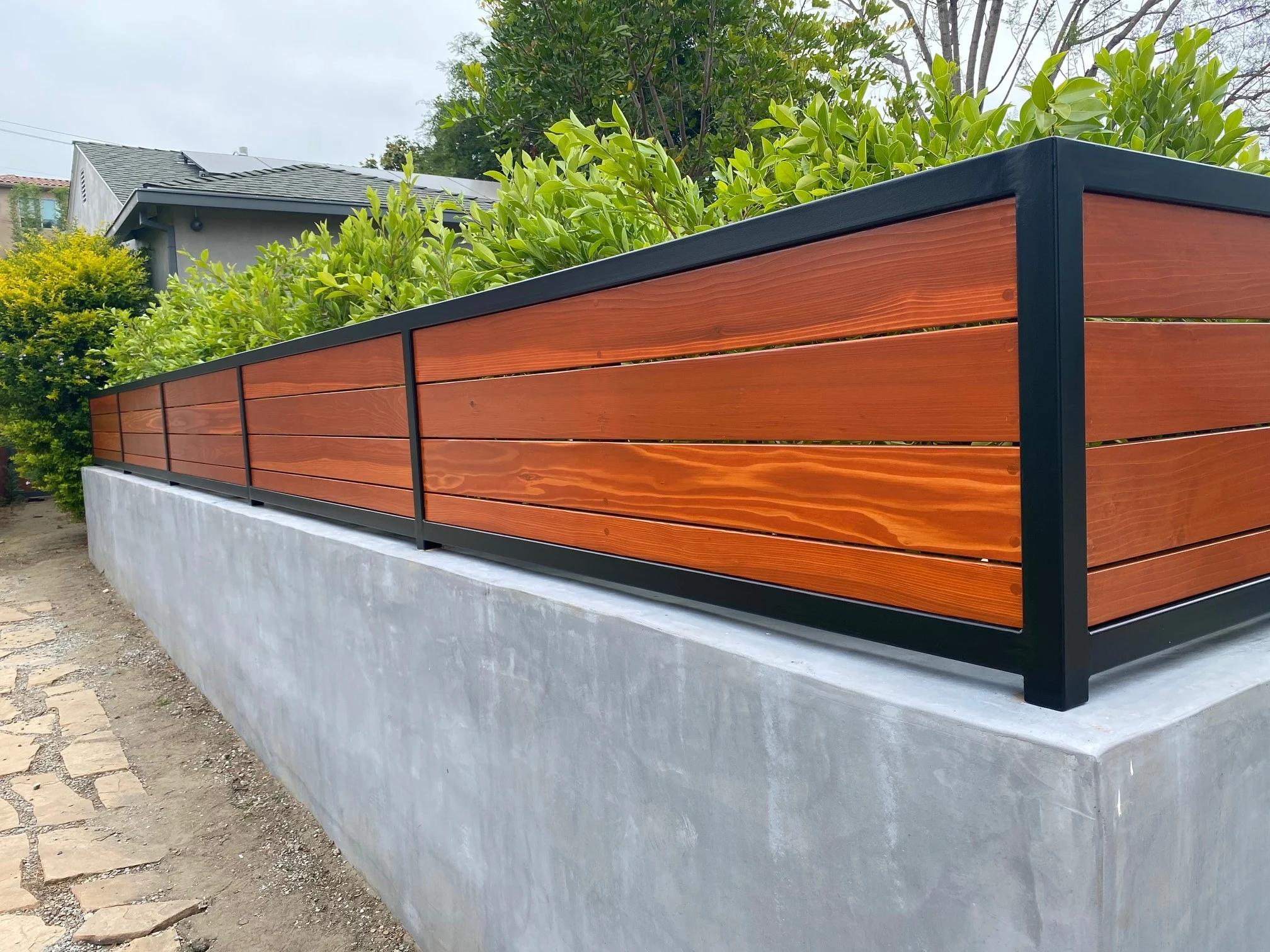 Fence RepairLeaning posts, rusted-through pickets, rotted rails, and car-damage sections repaired to match what's there.
 Commercial FencingPerimeter, security, and screening fence for yards, lots, and multifamily properties, engineered for the site.
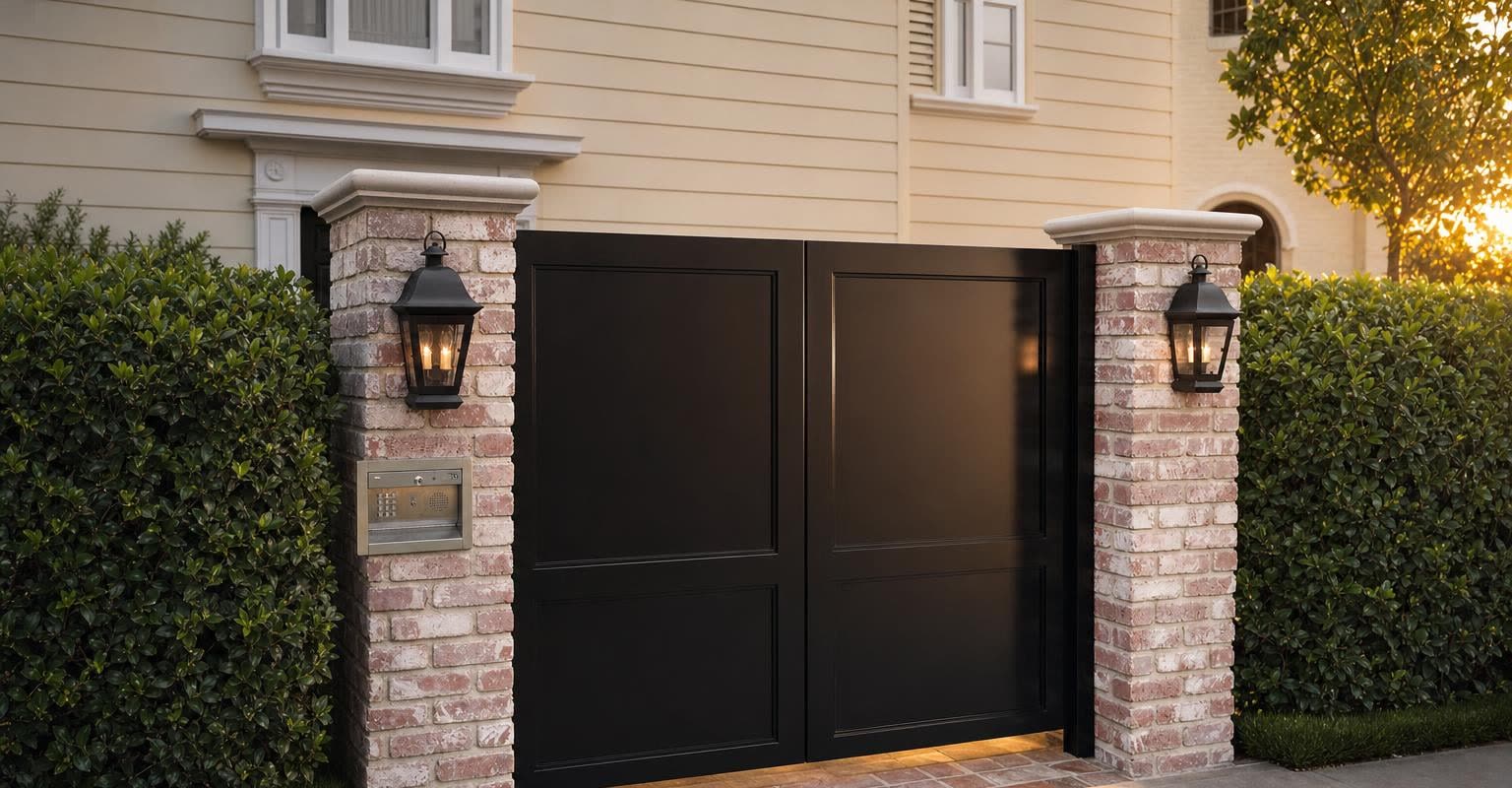
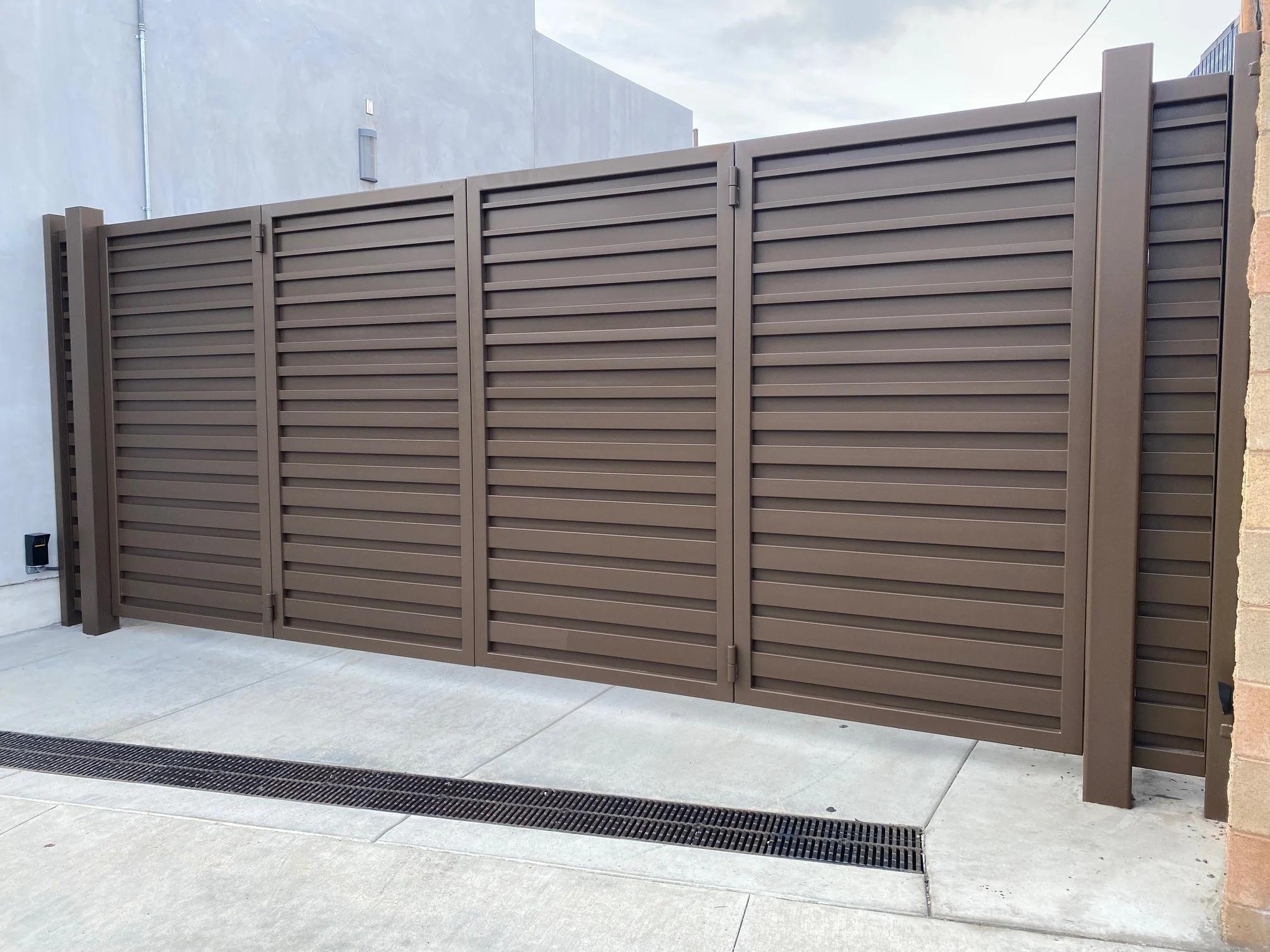 Driveway GatesSwing and slide gates in steel, wrought iron, clear cedar, and redwood, sized to your opening, your slope, and how your driveway is actually used.
 Pedestrian GatesWalk gates, side-yard gates, and entry gates built to match the driveway gate, with self-closing hinges, keyed or electric locks, and intercom release.
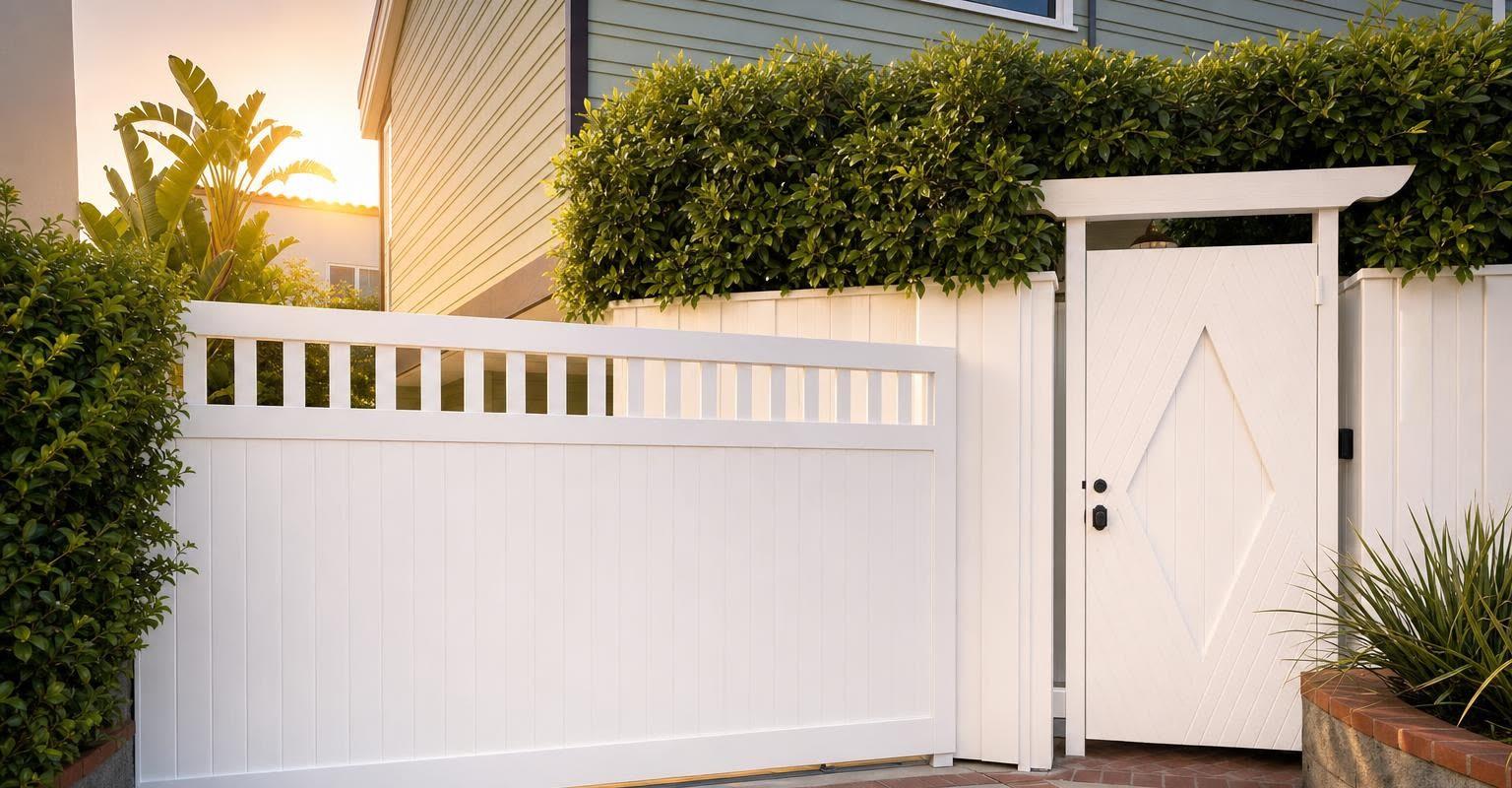 Fence Installation Cost in Los Angeles: A Scope-First Budget GuideCompare materials, measure your fence run, and understand what a per-foot quote includes—with a clearly labeled sample budget.
 California Pool Fence Requirements: A Los Angeles Planning GuideUnderstand the state enclosure dimensions, qualifying safety features, and the local questions to resolve before fabrication.
 Los Angeles Gate & Fence Permits: Check the Address, Then the DesignCity of LA fence and gate height limits by yard and zone, permit thresholds, HOA review, automation and fire access, and where Beverly Hills, Burbank, Calabasas and West Hollywood set theirs.
Free on-site estimate · Answered 24/7
Call now or send the form. A real person from our Van Nuys office will schedule your free visit and walk the opening with you.
Free · No obligation
Tell us about your gate. We'll call to schedule a visit.
No obligation. It takes about a minute, then we call to schedule. Prefer to talk? (818) 782-6180