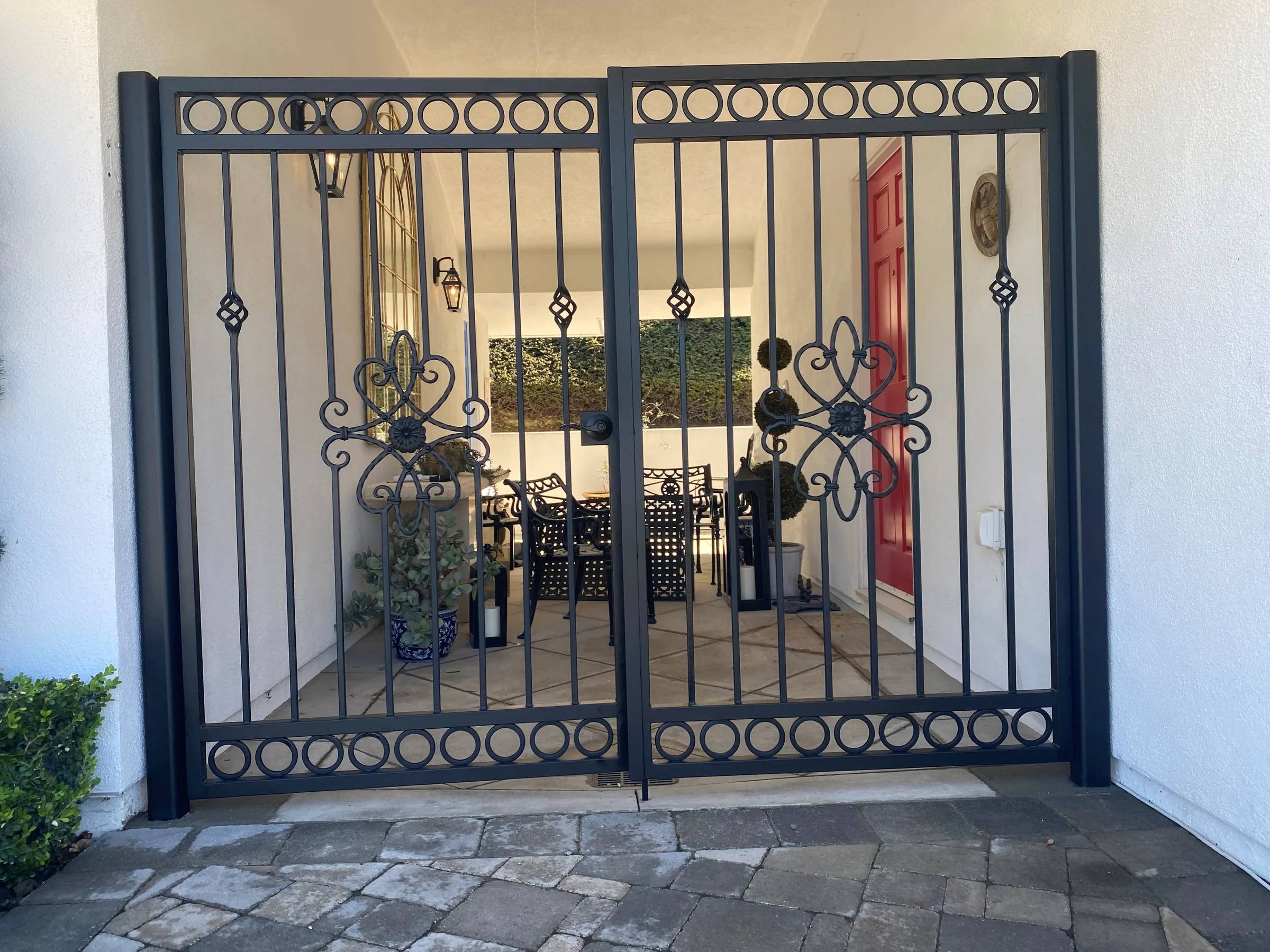
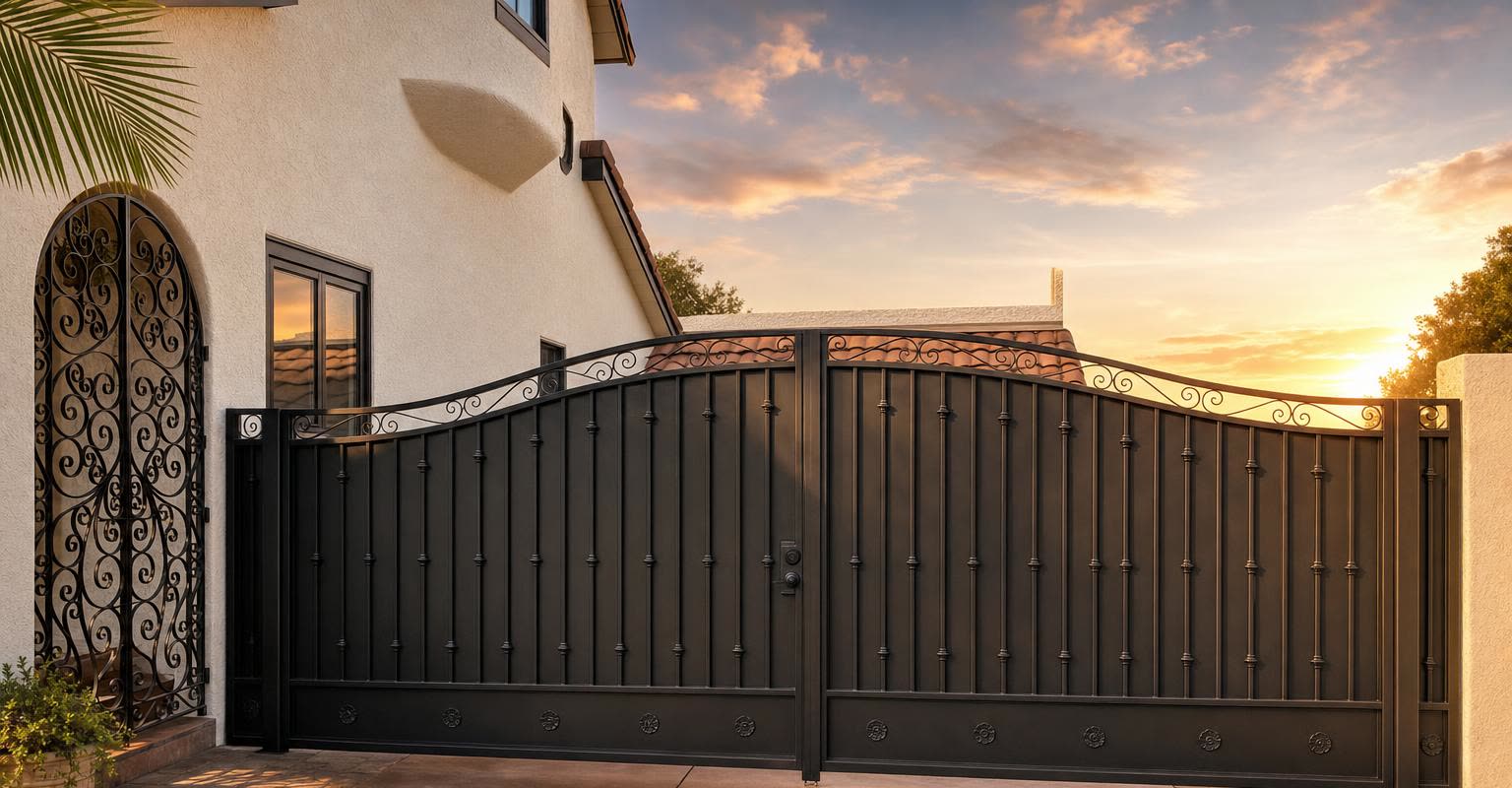
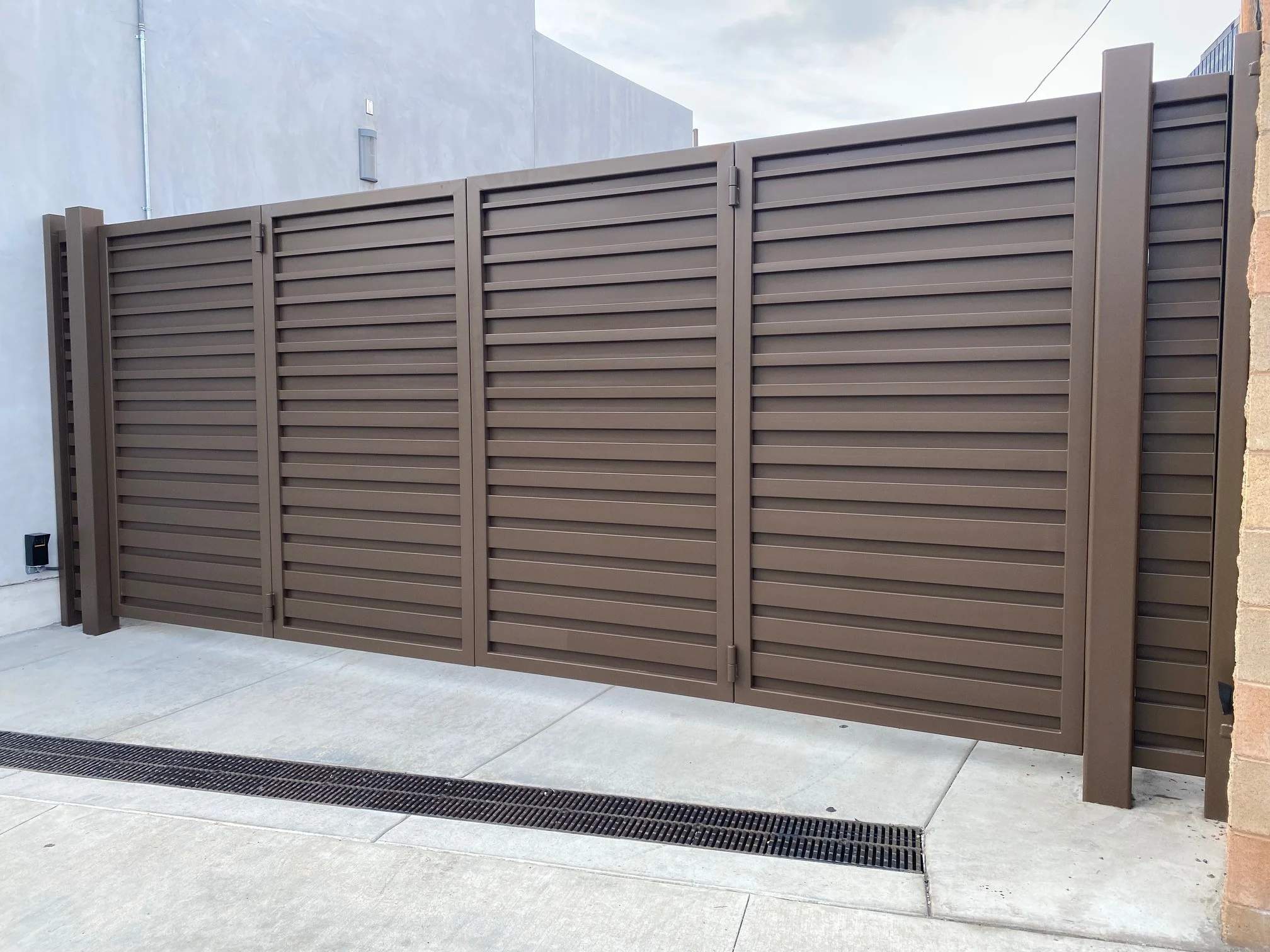
Iron and steel gates tend to fail in the same few places. Welds crack at rail joints and hinges after years of a heavy leaf being swung and slammed. Bottom rails and post bases are common rust points, because water collects there and the coating gets chipped. A car bumper bends pickets and can twist the whole leaf, and a leaf out of square sags on its hinges until the latch no longer lines up. Hinges wear too, and a hinge post can loosen in its footing or pull out of it.
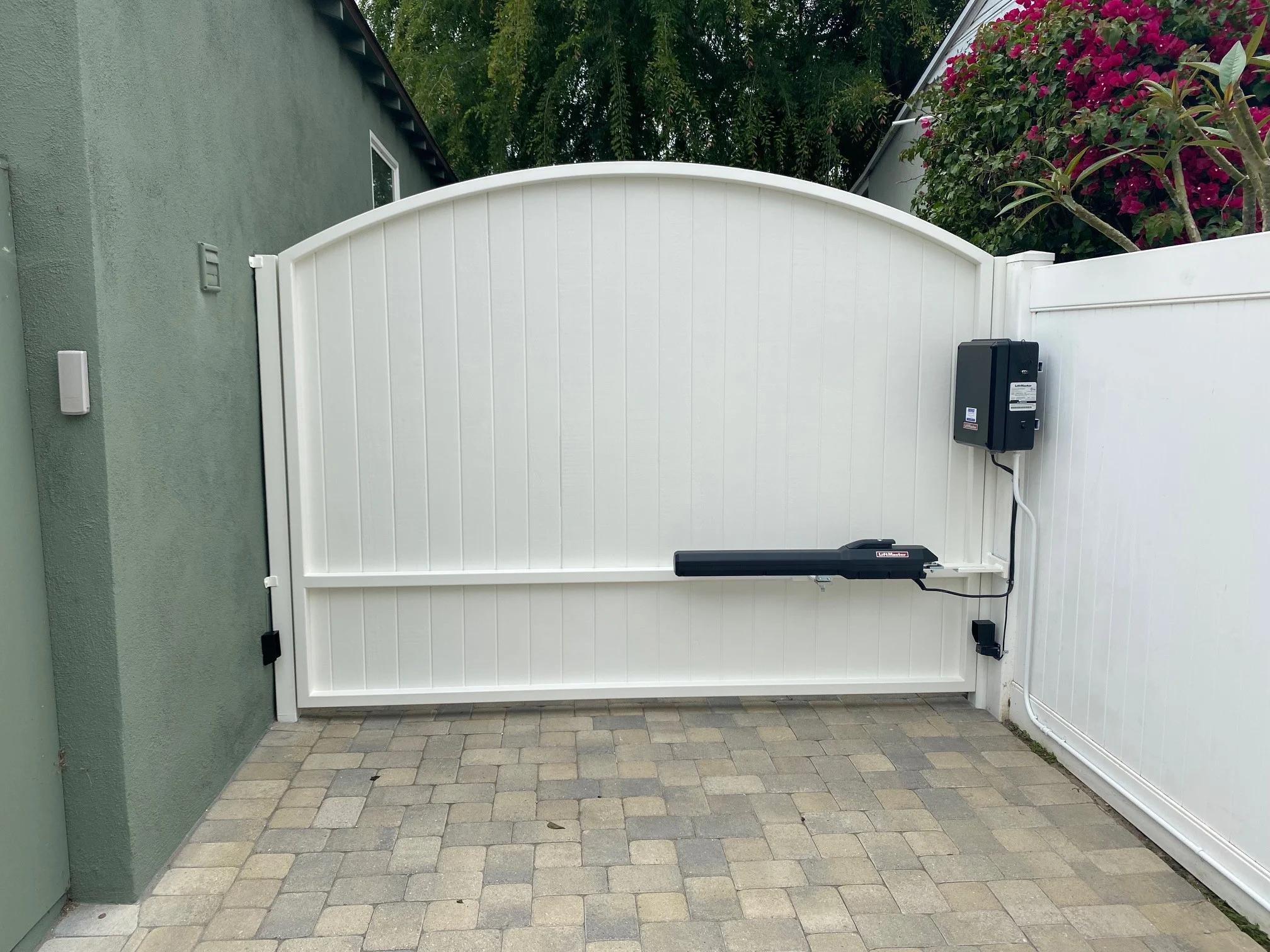
Method starts by assessing the whole gate: the frame and every weld, the hinges, the posts and footings, and whether the leaf is still square. Some repairs are welded in place. Others are better done in a fabrication shop, where the leaf can be squared on the bench and replacement pickets, scrolls, and finials are made to match. The choice depends on how extensive the damage is, how much of the finish has to be redone, and whether the gate is automated, since the operator has to be disconnected around the work. Opener faults on their own belong with residential gate repair, and a leaf hanging from one hinge is a job for emergency gate repair.
You get a written price after the assessment, before anything is cut or welded. Surface rust can hide a rail that has thinned underneath, and a sagging leaf can turn out to be a worn hinge or a post that has moved, so the price reflects what the inspection finds rather than what a photo suggests. If repair isn't the sensible choice for your gate, we tell you and price a replacement instead. To start, call with your city and whether the gate is automated, and have wide and close photos handy.