Skip to content
Method Doors & Gates
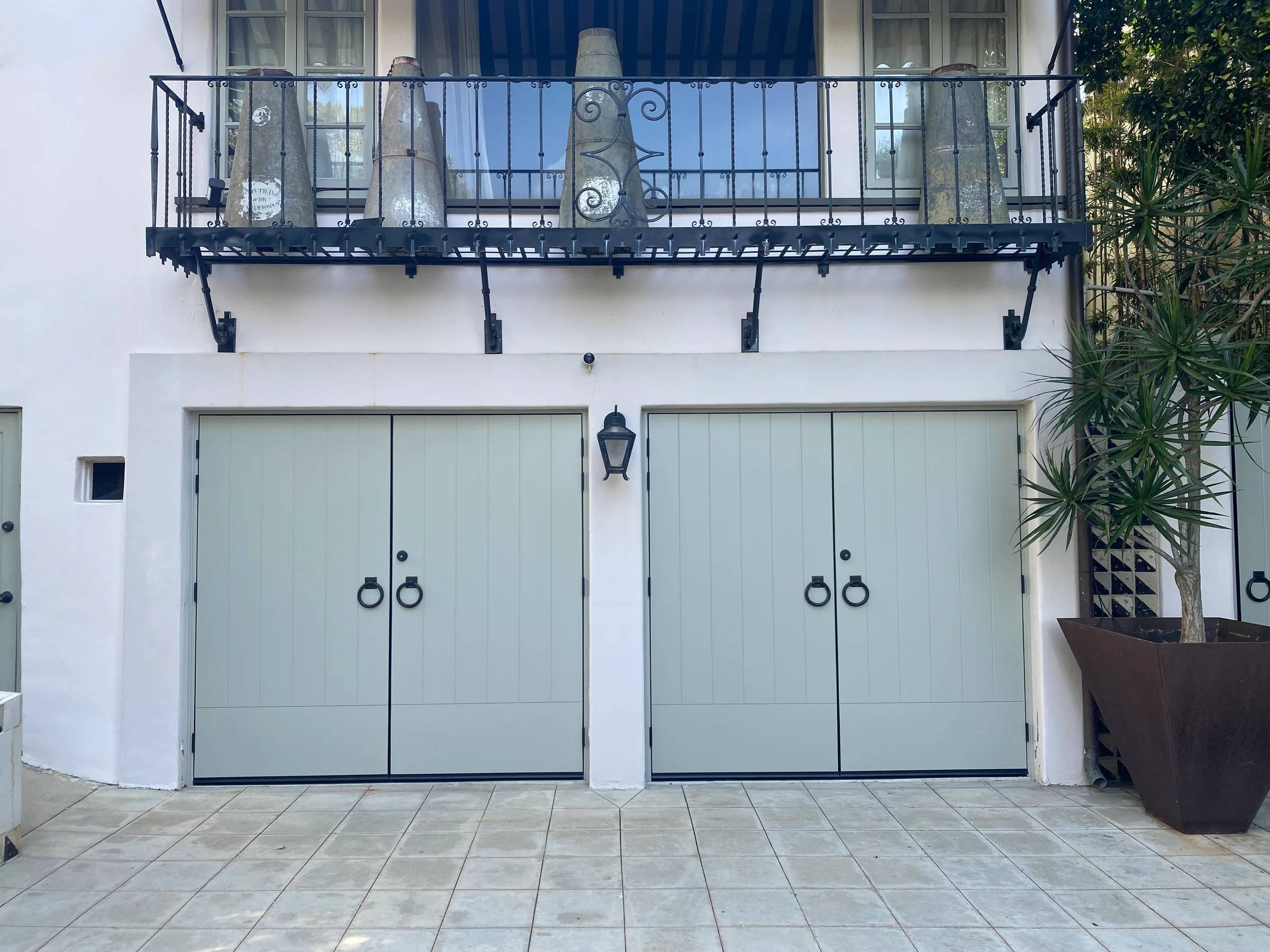
Two pairs of pale carriage-style garage doors with black ring pulls below an iron balcony

Garage Door Tune-Up

Garage Door Tune-Up & Maintenance in Los Angeles

A tune-up tests the balance and the auto-reverse, lubricates the parts that need it, and looks for wear on springs, cables, and rollers while a fix can still be planned.

Diagnosis before a repair decision

Request a Repair Assessment

Tell us the location and symptoms. We'll call to discuss the visit.

No obligation. It takes about a minute, then we call to schedule. Prefer to talk? (818) 782-6180

Garage Door Tune-Up

What wears on a garage door, and what a tune-up checks

A garage door wears a little with every cycle. Lubricant dries out, hinges and rollers wear, fasteners work loose, and springs fatigue. The first signs are usually noise, a door that feels heavier, or an opener that strains. Rust makes it worse: DASMA notes that fatigue cracks can grow faster from corrosion pits on a spring, cutting its cycle life, which is worth knowing in salt air near the coast. A tune-up is a scheduled look at all of it, so worn parts can be found before one leaves the door stuck.

We test before we adjust. With the door closed and the opener disconnected, we check the balance by hand, then run the auto-reverse and sensor tests, including the 2-inch obstacle test California requires on service calls. Hinges, roller bearings, and springs get lubricant where the manufacturer's instructions call for it. We tighten hinge, track, and opener hardware, check the weather seal, look over rollers, cables, springs, and bottom brackets for wear, and check the opener's settings and battery backup.

The tune-up covers testing, lubrication, and hardware tightening; repairs are separate. If the inspection finds a rusted spring, a fraying cable, or rollers past their life, we show you, explain what it means, and give you a written price, and you decide whether to go ahead. To book, call with the number of doors, whether they're sectional or one-piece, and anything that has changed, such as a new noise or a door that reverses.

  • Serving Los Angeles Since 2006
  • Licensed, Bonded & Insured
  • 24/7 Emergency Garage Door Service
  • Written Price Before Any Repair
  • Every Brand Serviced

Designs & details

Explore Garage Door Tune-Up

Project photographs alongside labeled design renderings and technical illustrations. Select an image for a closer look.

Repair assessment

Noises and warning signs a tune-up looks at

  • Squeaks and squeals

    Usually dry hinges, rollers, or bearings, metal rubbing on metal. Lubricating the points that call for it quiets most of it, and rollers too worn to quiet down are noted for replacement.

  • Grinding or rumbling

    Often worn roller bearings, rollers dragging in a track that's out of line, or wear in the opener's drive. We find which one before suggesting any repair, since each has a different fix.

  • Rattles and shaking

    Loose hinge bolts, track brackets, or opener mounting hardware let the door vibrate as it moves. Tightening them is part of the visit, and a door that still shakes gets checked for a bent track or cracked hinge.

  • A heavy door, or one that won't stay put

    That's a balance problem: the springs no longer match the door's weight. The opener can hide it for a while by working harder, and correcting it is a spring repair we quote separately.

  • Daylight or debris under the door

    A gap at the floor usually means a worn bottom seal or a door that isn't closing evenly. We check the seal and the closing travel, and quote a new seal if the old one is cracked or flattened.

  • Several doors at one property

    Townhome HOAs and apartment buildings with rows of garage doors can book them in one visit. Every door gets the same checks, and any repair is priced door by door.

Noisy garage door

A noisy garage door is pointing at a part: a squeal at dry metal, grinding at the rollers or track, a rattle at loose hardware, and one loud bang at a spring. The garage door is the largest door in the house, so some sound is normal; a new or changing noise is the one worth tracking down.

To tell the door from the opener, close the door, pull the opener's red release, and lift the door by hand. Noise that travels with the door comes from its own hardware, while a door that runs quietly by hand and loudly under power points to the opener's drive. Skip the test if a spring looks broken or a cable hangs slack, and re-engage the opener afterward the way its manual shows.

Garage door noises, what they usually mean, and what an owner can safely do
NoiseWhat it usually meansSafe for you to doLeave to a technician
Squeak or squealDry hinges, rollers, or springsSpray a lubricant made for garage doors where the door's manual calls for itA squeal that comes back soon after lubrication
Grinding or scrapingWorn roller bearings, or rollers dragging where the track is out of lineThe hand test above, watching which roller or section the sound followsReplacing rollers, and straightening or resetting track
Rattle or shakingLoose hardware on the door, the track, or the opener's mountFind where it starts; chain or belt tension steps are in the opener's manualBottom brackets and anything connected to the lift cables
Loud only when the opener runsThe drive: chain or belt tension, or a screw drive that needs lubricantThe tension and lubrication steps your opener's manual givesAn opener that strains, stalls, or reverses
One loud bang, then a heavy doorA broken spring, not a noise problemKeep clear and don't run the door, by hand or by openerAll of it: spring repair

The noise section of our troubleshooting guide walks through each sound in more detail. On a tune-up we lubricate and tighten what the noise points to, and any worn part is priced in writing before it's replaced.

Honest pricing

How we price garage door tune-up

A tune-up's price depends on the number of doors, their size and construction, and the opener on each. Lubrication, hardware tightening, and the safety tests are part of the visit, while a worn spring, cable, roller set, or seal is a separate repair, priced in writing first. A flat phone price can't tell you what your door actually needs.

Any repair the inspection turns up is priced in writing before that work starts. Properties with several doors can book them together in one visit.

Get Your Written Estimate

What sets the number

  • Number of doors on the visit
  • Door size, weight, and construction
  • Sectional or one-piece door
  • Opener type, and battery backup if fitted
  • Worn parts found: rollers, cables, seals, springs
  • Scheduling across units or buildings

The proposal separates the work being recommended so you can review the scope before approving it.

What to expect

What happens during a tune-up

  1. Book the visit

    Tell us how many doors you have, the opener brands if you know them, and anything you've noticed, such as noise, a heavy door, or an opener that reverses.

  2. Test first

    Before adjusting anything, we test the balance by hand and run the auto-reverse and sensor tests, so we know the door's starting condition.

  3. Service the door

    Hinges, bearings, and springs are lubricated as the manufacturer directs, hardware is tightened, and rollers, cables, springs, brackets, and seals are inspected for wear.

  4. Retest and review

    We rerun the balance and reversal tests, show you anything worn, and price any repair in writing. Nothing beyond the tune-up is done without your approval.

Reviews

What Customers Say About Working With Us

  • Negen Zohar

    5 years ago

    “I had phill from method came out to give us a quote for our gate project, I must say I had such a good experience with this company, he was so polite and professional and explained everything until smallest details and I got exactly what I…”

  • David R Ajemian

    5 months ago

    “Prompt and efficient work on a driveway gate repair on a Sunday. Thank you, Dima - nice work!”

  • Batia Zelig

    6 years ago

    “I got my new gates with Method. I got excellent service. The job was well done, and the price was outstanding. Will definitely use them again.”

Garage Door Tune-Up FAQ

Questions about garage door tune-up

Practical answers to help you plan the next step.

See All FAQs

Once a month, look over the door and opener, as CPSC recommends: frayed or loose cables, rust on the springs, worn rollers, and loose hinges or track bolts. A gap in the coiled spring above the door means it has broken, so don't run the door by hand or with the opener until it's repaired. Look but don't touch: DASMA says springs, cables, and bottom brackets should be repaired or adjusted only by a trained door technician.

Written price before any repair · Answered 24/7

Let’s Discuss Your Repair

Call with the address and what the door is doing. We answer 24/7 and will discuss service availability and next steps for your property.

No obligation

Request a Repair Assessment

Tell us the location and symptoms. We'll call to discuss the visit.

No obligation. It takes about a minute, then we call to schedule. Prefer to talk? (818) 782-6180

Call NowGet a Quote